

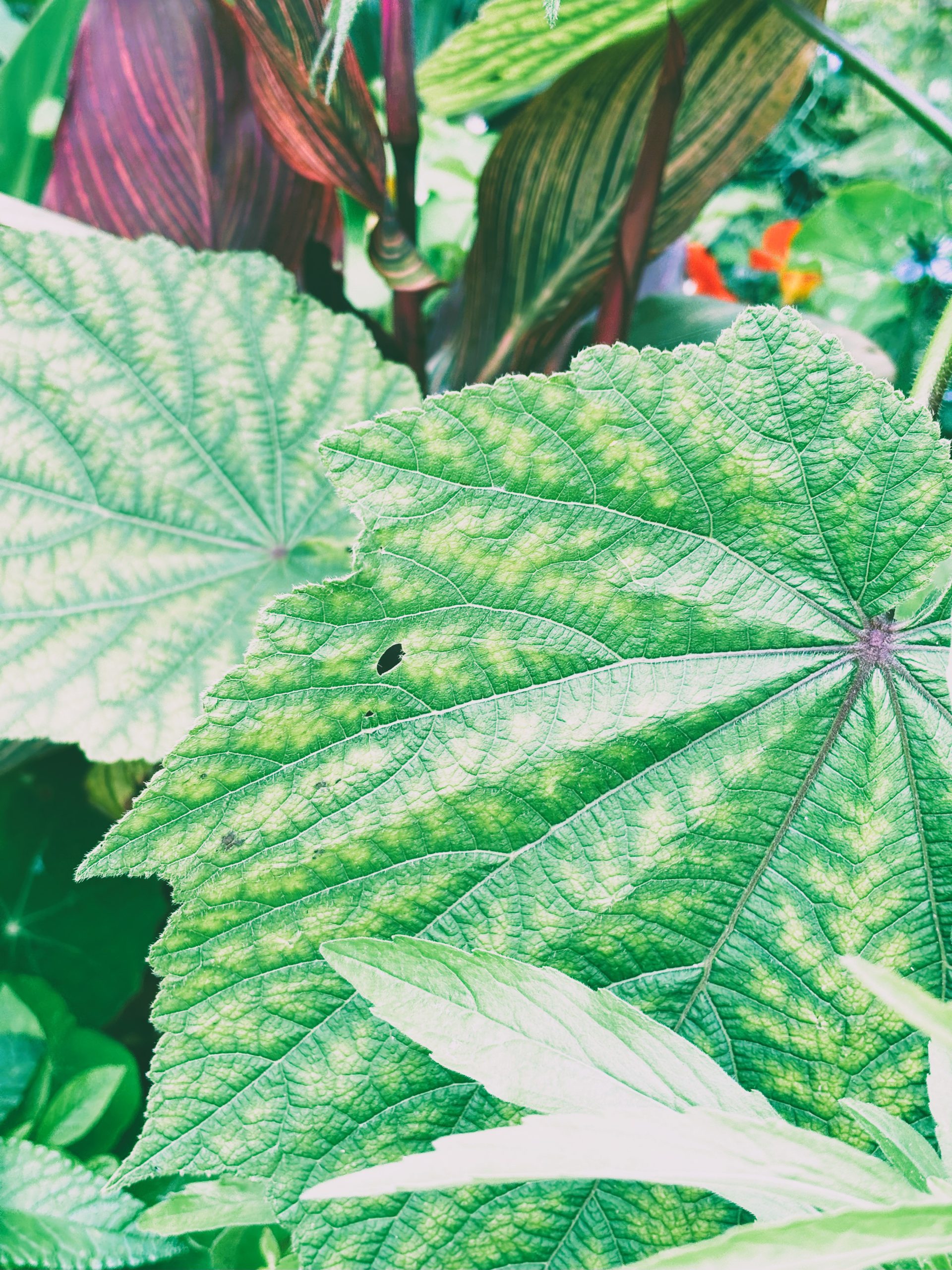
Sparrmannia africana, also known as African hemp or African linden, is a stunning tropical plant native to South Africa. Its large, soft green leaves and delicate clusters of white flowers make it a striking addition to any garden. While it may seem daunting to cultivate such an exotic plant in the UK’s cooler climate, with the right care and conditions, you can successfully grow Sparrmannia africana and add a touch of the tropics to your garden.
Understanding Sparrmannia Africana
Originally discovered in South Africa by Swedish naturalist Anders Sparrman in the 18th century, Sparrmannia africana quickly became popular in European gardens, especially during the Victorian era when exotic plants were highly prized. This plant can grow up to 4 meters tall in its native environment, but it’s more likely to reach around 2-3 meters in UK gardens.
Choosing the Right Location
Light:
Sparrmannia africana thrives in bright, indirect light. In the UK, it’s best to place it in a conservatory, greenhouse, or a sunny indoor spot where it can enjoy plenty of light without being exposed to direct sunlight, which can scorch its leaves. If you plan to grow it outdoors, choose a sheltered spot that receives dappled sunlight, similar to its natural forest habitat.
Temperature:
This plant prefers warm temperatures between 15-25°C. It’s important to protect it from frost, as it cannot survive temperatures below 5°C. During colder months, you’ll need to bring the plant indoors or provide greenhouse protection.
Soil:
Sparrmannia africana does best in well-draining soil with a slightly acidic to neutral pH. A mix of loam-based compost with added perlite or sand for drainage is ideal. Ensure the soil stays moist but not waterlogged, as the plant is prone to root rot.
Watering and Humidity
Watering:
Keep the soil consistently moist during the growing season (spring and summer). However, reduce watering in winter when the plant’s growth slows. The key is to keep the soil damp but not soggy.
Humidity:
Sparrmannia africana enjoys high humidity, which can be challenging in the UK’s climate. To increase humidity, mist the plant regularly or place it on a tray filled with water and pebbles.
Feeding and Maintenance
Feeding:
During the growing season, feed Sparrmannia africana with a balanced liquid fertilizer every two to four weeks. This will encourage healthy growth and flowering. In winter, reduce feeding as the plant’s growth rate slows.
Pruning:
To maintain a bushy shape and encourage new growth, prune Sparrmannia africana in late winter or early spring. Remove any dead or weak stems and trim back any overgrown areas.
Dealing with Pests and Diseases
Like many tropical plants, Sparrmannia africana is susceptible to pests, especially when grown indoors. Common pests include:
Aphids:
These small insects can cluster on new growth and flower buds, sucking sap and weakening the plant. Regularly check for aphids and treat them with insecticidal soap or neem oil.
Spider Mites:
Spider mites thrive in dry conditions, making them a common problem in heated indoor environments. They’re tiny, but their presence is usually marked by fine webbing on the leaves. Increase humidity and use miticides if necessary.
Mealybugs:
These pests appear as white, cottony masses on the plant, particularly in leaf axils. They can be treated with neem oil or by wiping the affected areas with alcohol.
Root Rot:
Caused by overwatering or poor drainage, root rot can be fatal to Sparrmannia africana. Ensure the soil is well-draining, and water the plant only when the top inch of soil is dry.
Growing Sparrmannia Africana Outdoors in the UK
While challenging, it’s possible to grow Sparrmannia africana outdoors in the UK with careful planning and protection.
Microclimate Creation:
To simulate the warm, humid environment this plant loves, create a microclimate within your garden. A south-facing wall, combined with other tropical plants, can create a sheltered, warmer spot suitable for Sparrmannia africana.
Container Growing:
Growing Sparrmannia africana in a large container allows you to move it indoors during cold weather. Containers also offer better control over soil conditions and moisture levels.
Winter Protection:
If you grow Sparrmannia africana outdoors, protect it during winter. Use fleece, mulch, or bubble wrap to insulate the roots and bring the plant indoors if severe frost is predicted.
Overwintering Indoors:
In winter, move the plant to a bright, cool room indoors. Reduce watering and feeding, allowing the plant to rest before spring’s growing season.
Conclusion
With the right care, Sparrmannia africana can thrive in a UK garden, bringing a touch of the tropics to your landscape. Whether grown in a conservatory, greenhouse, or as a container plant that migrates indoors during winter, this exotic beauty can become a striking feature in your garden. By understanding its needs and taking steps to protect it from the UK’s cooler climate, you can enjoy the lush foliage and delicate flowers of Sparrmannia africana all year round
Sparrmannia africana – Grow Guide
Common name: African Hemp, African Linden
Family: Malvaceae
Plant type: Tender evergreen shrub
Hardiness: RHS H1B – minimum 10–12 °C
Height & spread: 2–4 m tall × 2–3 m wide (smaller in containers)
Overview
Sparrmannia africana is a fast-growing, soft-wooded evergreen shrub with large, velvety, heart-shaped leaves and showy white flowers with yellow and purple stamens. It’s ideal for conservatories, greenhouses, bright porches, or as a summer patio plant that can be moved indoors for winter.
Position
- Light: Bright light with some direct sun
- Avoid hot midday sun behind glass, which can scorch leaves
- Shelter from cold draughts and wind
Soil
- Rich, free-draining compost
- Use a loam-based compost with added organic matter
- Excellent drainage is essential
Planting & Containers
- Best grown in large containers
- Repot in spring as roots fill the pot
- Choose a heavy pot to prevent toppling
Watering
- Keep compost evenly moist during the growing season
- Reduce watering in winter, but do not allow to dry out completely
- Avoid waterlogging at all times
Feeding
- Feed every 2–3 weeks with a balanced liquid fertiliser from spring to late summer
- Stop feeding in autumn and winter
Temperature & Hardiness
- Minimum temperature 10–12 °C
- Ideal winter temperature: 12–15 °C
- Protect from frost at all times
Growth & Habit
- Upright, bushy shrub with soft stems
- Large leaves give a bold, tropical effect
- Fast growth means regular pruning is helpful
Flowering
- Late winter to spring
- White flowers with prominent coloured stamens
- Flowers open on short stems at the leaf joints
Pruning
- Prune after flowering to control size and encourage bushiness
- Can be cut back quite hard if space is limited
Pests & Problems
- Watch for whitefly, aphids, red spider mite
- Leaves may yellow if compost dries out or light is too low
Propagation
- Softwood or semi-ripe cuttings in late spring or summer
- Root easily with gentle bottom heat
Garden & Display Use
- Conservatory specimen
- Large indoor plant for bright rooms
- Summer patio feature with bold foliage
Quick Reference
| Feature | Details |
|---|---|
| Hardiness | RHS H1B |
| Height | 2–4 m |
| Spread | 2–3 m |
| Flowering | Late winter–spring |
| Position | Bright light, some sun |
| Soil | Rich, free-draining |
| Water | Moist, not wet |
| Feeding | Regular in growth |
| Propagation | Cuttings |
| Best feature | Large leaves and striking flowers |