

Sinningia ‘Sonata’ Grow Guide
1. Overview
- Type: Tuberous perennial
- Origin: Hybrid cultivar of Sinningia speciosa
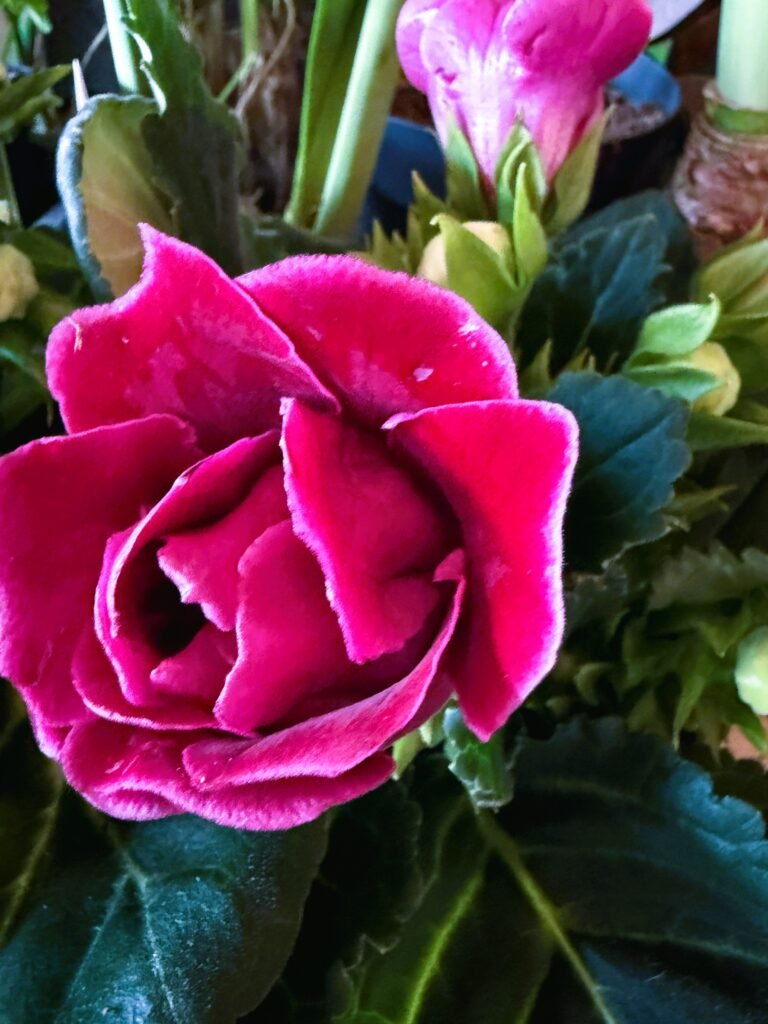
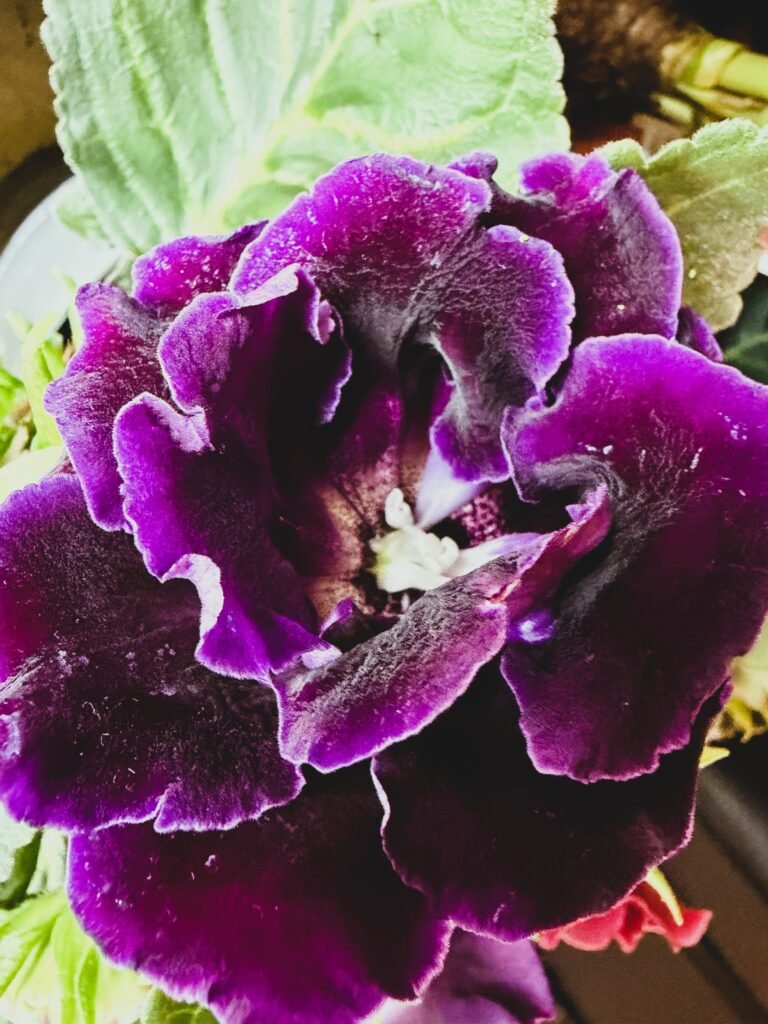
- Flower: Bell-shaped, vibrant blooms in shades of pink, purple, or red depending on the specific variety
- Foliage: Dark green, slightly hairy leaves; compact growth habit
- Height: 15–25 cm (6–10 in)
- Spread: 15–25 cm (6–10 in)
2. Light Requirements
- Bright, indirect light is ideal.
- Can tolerate some morning sun but avoid harsh afternoon sun to prevent leaf scorch.
- A south or east-facing window indoors works well.
3. Temperature & Humidity
- Temperature: 18–24 °C (65–75 °F) while actively growing
- Winter dormancy: 12–15 °C (54–59 °F)
- Humidity: Moderate humidity is sufficient; misting lightly can help in dry indoor air, but avoid wetting leaves too much to prevent mildew.
4. Soil
- Well-draining mix:
- 50% peat or coir
- 25% perlite or grit
- 25% loam or leaf mould
- Avoid heavy garden soil; it encourages tuber rot.
- Slightly acidic pH (5.5–6.5) is ideal.
5. Watering
- Keep soil lightly moist during active growth and flowering.
- Water when the top 1–2 cm (½–¾ in) of soil feels dry.
- Reduce watering during dormancy after flowering; the tuber prefers a dry rest period.
6. Fertilizer
- Feed every 2–3 weeks during the growing season with a diluted liquid fertilizer high in potassium to encourage flowers.
- Stop feeding during dormancy.
7. Dormancy Care
- After flowering, leaves will yellow naturally.
- Allow the tuber to rest in a cool, dry place for 2–3 months.
- Resume watering and feeding when new growth emerges.
8. Propagation
- Tuber division: Easiest method during dormancy.
- Leaf cuttings: Can root in moist soil.
- Seed: Rarely done with hybrids, but possible; seedlings take 6–12 months to flower.
9. Pests & Diseases
- Pests: Aphids, spider mites, mealybugs.
- Diseases: Tuber rot (from overwatering), powdery mildew.
- Prevention: Ensure good drainage, airflow, and avoid wetting leaves.
10. Potting & Containers
- Compact tuber likes shallow pots 10–15 cm (4–6 in) deep.
- Repot every 1–2 years, preferably just before new growth begins.
11. Flowering Tips
- Pinch off spent flowers to encourage continuous blooming.
- Rotate pots occasionally for even light exposure.
- Maintain bright light, moderate moisture, and regular feeding during bloom season for best results.
Flowering Months
- Northern Hemisphere (indoors or temperate gardens): Late spring to early autumn (May – September)
- Tropical/subtropical regions (year-round growth): Can flower almost year-round if kept in consistent warmth and bright light
- Dormancy period: Usually in late autumn to winter (October – February), when leaves yellow and watering is reduced
Tip: Indoors, under bright light and stable temperatures, ‘Sonata’ can often produce sporadic blooms even in winter, though they may be smaller.
Extra Note: ‘Sonata’ is perfect for windowsills, indoor gardens, or as a gift plant because it flowers profusely and remains compact. With proper care, it can bloom multiple times a year indoors.