

The shoo fly plant (Nicandra physalodes), also known as the Apple of Peru, is an intriguing annual from the Solanaceae family, which includes familiar species such as tomatoes, potatoes, and nightshades. Native to Peru, it was introduced to the UK in the 19th century for its attractive, bell-shaped flowers and its reputed ability to repel insects, particularly flies. Over time, the shoo fly plant has garnered interest for both its beauty and utility, though concerns about its invasive potential persist.
Is the Shoo Fly Plant Invasive in the UK?
The shoo fly plant’s status as an invasive species in the UK is a topic of debate among gardeners and ecologists.
The plant can grow rapidly and self-seed prolifically, forming dense patches if not managed properly. This characteristic gives it potential to become invasive under favorable conditions, particularly in gardens and disturbed soils. However, in the UK’s cooler climate, the plant often dies back in winter, which naturally limits its spread.
While the shoo fly plant can outcompete other garden plants by self-seeding aggressively, there is limited evidence to suggest it disrupts native ecosystems significantly. Most concerns are centered around its ability to spread in cultivated areas rather than in wild habitats.
To manage its spread, gardeners should regularly deadhead flowers before they set seed and be vigilant in removing seedlings. If the plant begins to spread undesirably, pulling young plants by hand or using mulch to suppress seedling growth can effectively control its proliferation.
History of the Shoo Fly Plant in the UK
The shoo fly plant was introduced to the UK during the 19th century, a period marked by the Victorian era’s fascination with exotic plants. Botanists and gardeners were eager to explore and cultivate unusual species from around the world. The plant’s insect-repelling properties and ornamental appeal made it an attractive addition to British gardens.
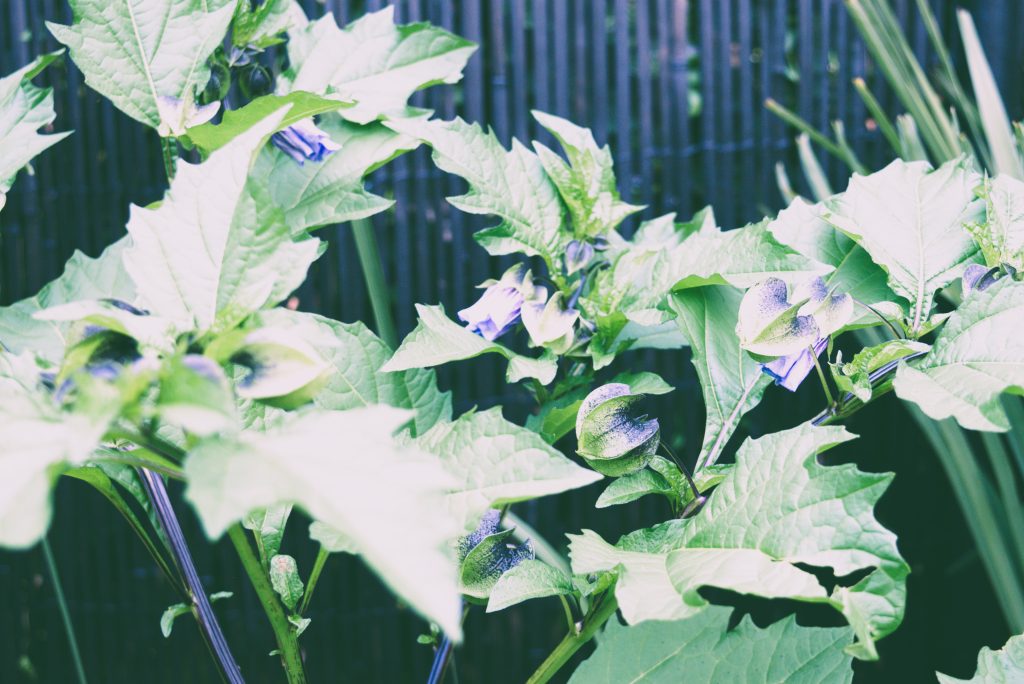
Victorian gardeners prized the shoo fly plant for its striking blue to violet flowers and its unique lantern-like seed pods. It quickly became popular in both private gardens and public botanical collections. Despite its potential for self-seeding, it was generally controlled through careful garden management practices.
How to Grow and Care for the Shoo Fly Plant in the UK
Despite its invasive potential, the shoo fly plant can be a delightful and beneficial addition to UK gardens when properly managed. Here’s how to grow and care for it:
Planting:
Start seeds indoors 6-8 weeks before the last frost date, or sow them directly into the garden after the danger of frost has passed. The seeds need light to germinate, so press them lightly onto the soil surface without covering them.
Location:
Choose a sunny spot with well-draining soil. While the shoo fly plant tolerates a range of soil types, it thrives best in fertile, loamy soils.
Growing Conditions:
The plant prefers full sun but can tolerate partial shade. Ensure it gets at least six hours of direct sunlight daily. Keep the soil consistently moist but not waterlogged. Water the plants deeply and regularly, especially during dry periods. While not heavy feeders, shoo fly plants benefit from a balanced fertilizer applied at planting time and once more during the growing season.
Maintenance:
Regularly deadhead spent flowers to encourage continuous blooming and prevent self-seeding. The shoo fly plant is generally resistant to pests and diseases, thanks to its natural insect-repellent properties. However, keep an eye out for aphids and other common garden pests. In regions with frost, the shoo fly plant will die back in winter. Collect seeds before the first frost if you wish to grow them again next season.
Conclusion
The shoo fly plant is a striking and useful addition to UK gardens, offering both aesthetic appeal and functional benefits like insect repellence. However, gardeners should be mindful of its potential to spread and take proactive measures to manage it. By understanding its growth habits and providing proper care, the shoo fly plant can be enjoyed without becoming a nuisance, maintaining its place as a cherished yet controlled member of the British garden.
Shoo Fly Plant (Nicandra physalodes) – Grow Guide
Common names: Shoo Fly Plant, Apple of Peru
Family: Solanaceae
Plant type: Tender annual
Hardiness: RHS H2 – frost-tender, grown as an annual in the UK
Height & spread: 60–120 cm tall × 30–60 cm wide
Overview
Shoo Fly Plant is a fast-growing, self-seeding annual with soft green foliage, pale blue bell-shaped flowers, and distinctive papery lantern-like seed pods. It has long been grown as a traditional companion plant, reputed to deter flies and aphids, and is valued for its relaxed, cottage-garden character.
Position
- Full sun to partial shade
- Best in a sheltered spot where stems won’t be battered by wind
Soil
- Fertile, well-drained soil
- Performs well in ordinary garden soil
- Avoid very poor or waterlogged ground
Sowing & Planting
- Sow indoors: March–April at 18–20 °C
- Direct sow outdoors: May, once frost risk has passed
- Thin or plant out to 30–40 cm spacing
- Flowers from mid-summer through to autumn
Watering
- Water regularly while young
- Once established, moderately drought tolerant
- Do not allow soil to become waterlogged
Feeding
- Generally not a heavy feeder
- Apply a light balanced feed only if soil is poor or plants look weak
Growth & Habit
- Upright, bushy annual with softly hairy stems
- Flowers followed by inflated, lantern-like seed pods
- Will self-seed freely if pods are left to mature
Flowering
- July–October
- Pale blue flowers with a darker central eye
- Attractive to bees and other pollinators
Maintenance
- Very low maintenance
- Remove seed pods if self-seeding is not wanted
- Stake lightly in exposed positions if needed
Pests & Problems
- Generally trouble-free
- Slugs may nibble young plants
- Occasional aphids in dry summers
Garden Uses
- Cottage and informal borders
- Annual meadow planting
- Wildlife-friendly gardens
- Useful gap-filler among perennials
Quick Reference
| Feature | Details |
|---|---|
| Hardiness | RHS H2 |
| Height | 60–120 cm |
| Spread | 30–60 cm |
| Flowering | July–October |
| Position | Sun / part shade |
| Soil | Fertile, well-drained |
| Propagation | Seed |
| Maintenance | Very low |