

🌸 Senetti Grow Guide
History & Parentage
Senetti® are vivid cool-season flowering plants, developed as F1 hybrids from two parent species:
- Pericallis cruenta – Known for bright, long-lasting flowers and vigorous growth
- Pericallis lanata – Brings compact habit, soft foliage, and hardiness
Originally grouped under Senecio, Senetti are now classified in the Pericallis complex.
F1 hybrid explanation:
F1 means first-generation offspring from two selected parents, bred for:
- Uniform growth
- Maximum flower production
- Strong hybrid vigour
Seed from F1 plants does not come true, so propagation is usually by soft cuttings.
An F1 plant is the first generation produced by crossing two distinct parent plants.
So, breeders take:
- One carefully selected parent
- Another different, but equally selected parent
…and cross them to produce the F1 hybrid
🌸 Why breeders use F1 hybrids
F1 plants (like Senetti) are bred for:
- Uniform growth (all plants look the same)
- Stronger vigour (often called hybrid vigour)
- Better flowering
- Improved disease resistance
That’s why Senetti are so tidy and floriferous compared to old-style Pericallis.
🌱 Why Senetti aren’t grown from seed
- Senetti® are F1 hybrids, bred from Pericallis cruenta and Pericallis lanata
- Seed from them will not come true—you’ll get variable plants, often weaker and less floriferous
- Commercial growers produce them via cuttings, not seed
🌼 What happens if you try anyway
- You can collect seed, but:
- Germination is often poor or erratic
- Resulting plants may resemble old-style Pericallis (cineraria types), not Senetti
- Flower colour and habit will be unpredictable
🌿 Better propagation method
If you want more plants, your best option is:
Soft cuttings (late spring):
- Take non-flowering shoots about 5–7 cm long
- Remove lower leaves
- Root in a light compost (with bottom heat if possible)
- They root fairly readily in cool conditions
🌸 Professional gardener’s note
In the UK climate, most gardeners simply:
- Buy fresh plants each spring
- Treat them as a seasonal display plant, like primroses or pansies
Trying to overwinter or raise from seed usually isn’t worth the effort unless you’re experimenting.
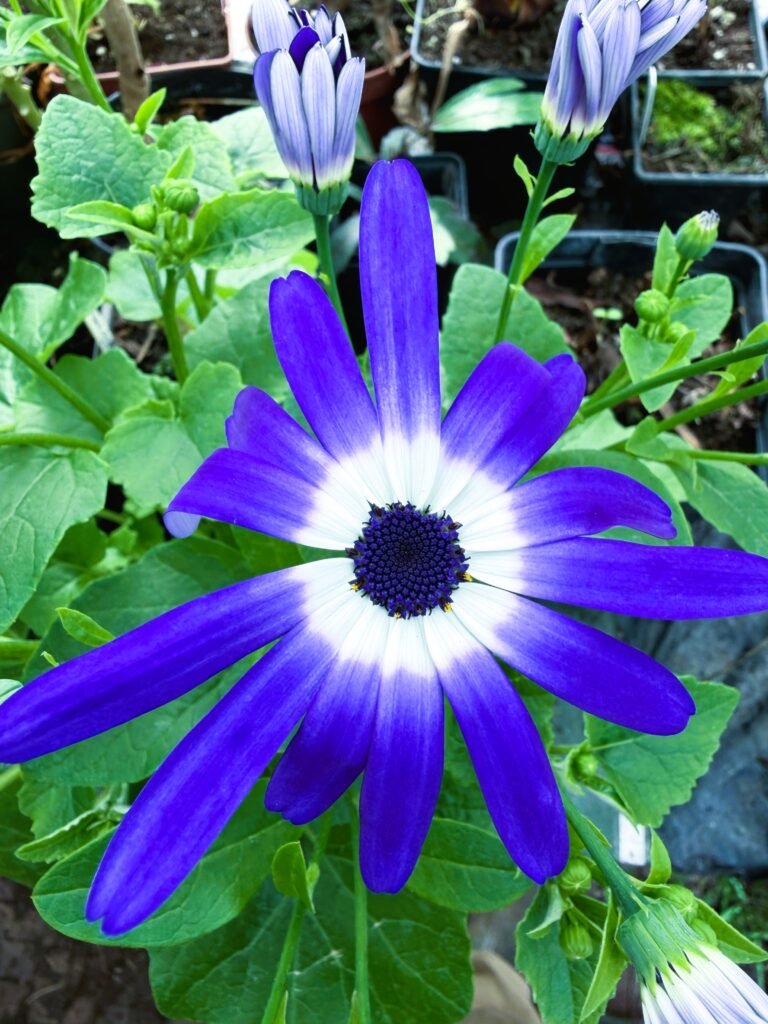
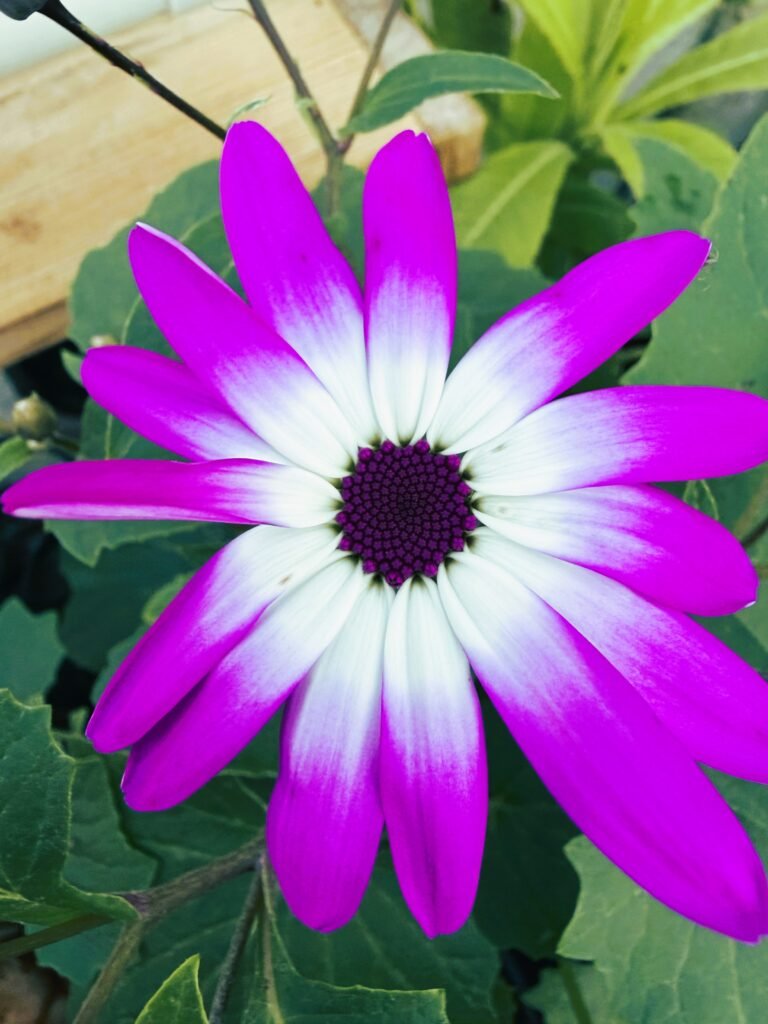
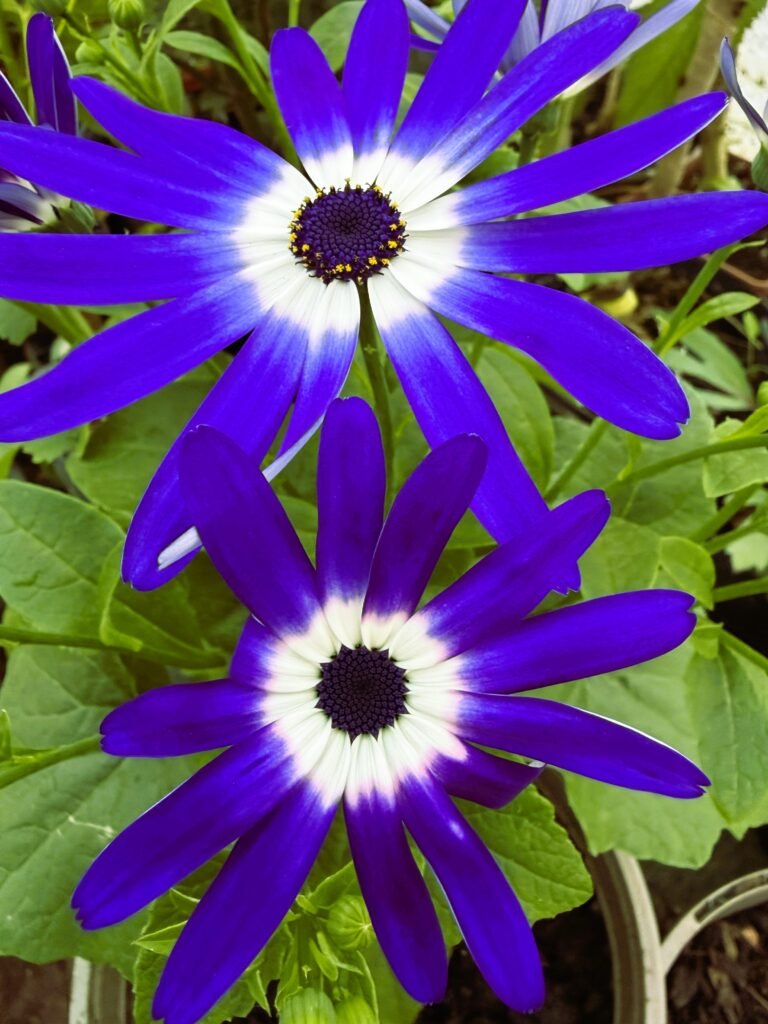
🌱 Plant Characteristics
- Height & Spread: 30–50 cm
- Flowers: Daisy-like, vivid blues, purples, pinks, and magentas
- Foliage: Soft, slightly fleshy green leaves
- Growth Habit: Compact, mounded
🌼 Flowering Months
- March to June, peak bloom in April–May
- Perfect for spring containers, borders, and tropical-themed garden displays
❄️ Hardiness
- Tender perennial (cool-season specialist)
- Thrives in 5–15°C
- Not frost-hardy—protect from late frosts or grow in containers
- Usually treated as an annual in the UK
🌿 Soil & pH
- Type: Moist, well-drained, fertile soil
- pH: Slightly acidic to neutral (5.5–7.0)
- Tip: Incorporate compost or organic matter to improve flowering
☀️ Light
- Full sun to partial shade
- Avoid strong midday sun
- Bright, indirect light keeps flowers vibrant and foliage healthy
💧 Watering & Feeding
- Keep soil evenly moist
- Weekly liquid feed prolongs flowering
- Avoid waterlogging to prevent root rot
✂️ Maintenance
- Deadhead regularly for continued blooms
- Lightly trim if plants become leggy
- Container-grown plants may need more frequent watering
🌸 Display Ideas
- Spring patio pots, hanging baskets, window boxes
- Front-of-border colour in tropical-style beds
- Combine with early tulips, pansies, or bold tropical foliage for a striking contrast
- Works as a bridge plant between winter pansies and summer bedding
⚠️ Propagation
- Soft cuttings (late spring): Take non-flowering shoots 5–7 cm long and root in light compost
- Seed: Not recommended—F1 hybrids produce variable offspring
Senetti bring reliable, vivid colour to early-season tropical displays, combining the flower power of Pericallis cruenta with the hardiness and compact habit of Pericallis lanata. Perfect for containers, borders, and eye-catching spring displays.