

As autumn approaches and temperatures begin to fall, gardeners growing exotic banana plants face an important decision: when should their plants be brought indoors or into winter storage? For growers of Ensete and Hiniba bananas, getting the timing right can make the difference between a successful winter and a disappointing start to the following growing season.
Although it is tempting to move these plants under cover at the first sign of cooler weather, bringing them in too early can create problems of its own. Reduced light, excessive warmth, poor air circulation and unsuitable watering conditions can all contribute to plant stress, rot and the loss of valuable growth.
Reduced Light and Weak Growth
One of the main dangers of bringing Ensete and Hiniba bananas indoors too early is the sudden reduction in available light. Outdoors, these plants benefit from strong natural sunlight, which supports vigorous leaf development and helps them build up energy reserves.
When moved into a house, conservatory or other sheltered space before it is necessary, they may receive significantly less light than they are accustomed to. If temperatures remain warm, the plants may continue attempting to grow despite the lower light levels. This can lead to elongated, weak growth and leaves that are less robust than those produced outdoors.
Large banana leaves may also deteriorate as the plant adjusts to its new environment. While some leaf damage is normal during seasonal transitions, prolonged low-light conditions can leave the plant looking increasingly unhealthy.
Excessive Warmth and Poor Growing Conditions
Another potential problem is keeping the plants too warm for the amount of light available. Ensete and other banana plants generally grow best when warmth is accompanied by sufficient light. Indoors, the balance between temperature and light can be very different from outdoor conditions.
A warm room may encourage continued growth when light levels are already declining. This can make it difficult to maintain strong, compact growth and may increase the need for careful watering.
Conversely, placing plants in a cool, dark location while keeping their roots or growing medium excessively wet can create conditions that encourage decay. The key is not simply to bring plants inside when the weather cools, but to choose a winter environment suited to the way each plant will be overwintered.
The Increased Risk of Rot
Rot is one of the most serious threats to banana plants during winter. Ensete plants, in particular, can be vulnerable to crown and root problems if they remain cold and wet.
Bringing plants indoors too early can mean that they spend a longer period in conditions where water use is reduced but the growing medium remains moist. Because the plant is receiving less sunlight and may be growing more slowly, it will often require less water than it did during summer.
Continuing to water according to the summer routine can therefore be a costly mistake. Persistently wet compost, especially when combined with cool temperatures and poor drainage, increases the risk of root deterioration.
For gardeners overwintering Ensete in a dormant or nearly dormant state, watering must be adjusted accordingly. Those keeping plants actively growing in a bright, warm environment will need a different approach. The important point is to match watering to temperature, light and the plant’s actual activity rather than following a fixed schedule.
Pests Can Become a Bigger Problem Indoors
Moving banana plants into a sheltered environment can also bring unwanted pests into the home or greenhouse. Spider mites, aphids, mealybugs and other sap-feeding insects may already be present on the leaves or around the leaf bases.
Outdoors, rainfall, natural predators and changing weather conditions can help keep some pest populations in check. Indoors, pests may multiply more easily, particularly in warm, dry rooms with limited air movement.
The longer plants remain under cover, the more opportunity certain pests may have to establish themselves. Before bringing plants inside, gardeners should inspect the undersides of leaves, leaf joints, stems and the base of the plant. Removing dead foliage and treating any active infestation before moving plants into winter quarters can help prevent problems from spreading.
Poor Air Circulation and Fungal Problems
Outdoor conditions generally provide better air movement than many indoor spaces. Once banana plants are moved into a crowded conservatory, greenhouse or spare room, humidity and stagnant air can contribute to leaf disease and other problems.
Damaged or dying leaves can retain moisture, particularly where plants are packed closely together. If condensation develops or the foliage remains wet for extended periods, the risk of fungal problems may increase.
Allowing adequate space around plants, removing dead material and avoiding unnecessary wetting of the foliage can help maintain healthier conditions throughout the winter.
Is Bringing Them In Too Early Always a Mistake?
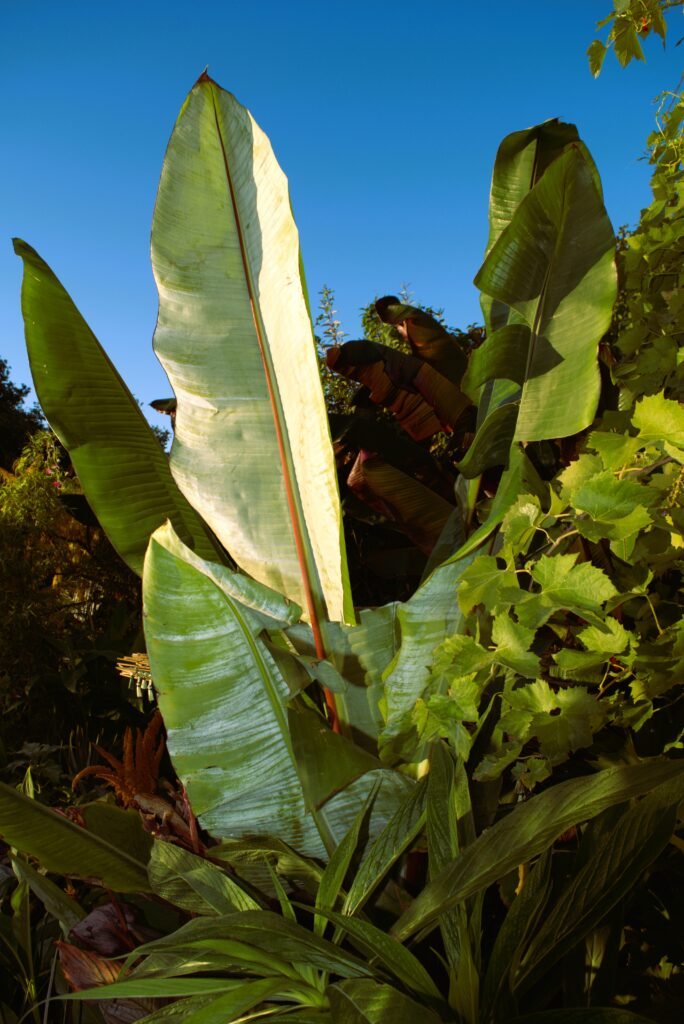
Not necessarily. The correct timing depends on the species, the plant’s size, its growing conditions and the method being used to overwinter it.
Ensete varieties, including the commonly grown Ensete ventricosum cultivars, are generally frost-sensitive. In a British garden, they should be protected before damaging frost occurs. Some gardeners lift their plants, remove most of the foliage and store the plants in a cool, frost-free location, while others maintain them in pots in a bright, sheltered environment.
The best approach for a Hiniba banana will likewise depend on its exact identity and whether it is being grown as an actively growing plant or prepared for dormancy. The name alone is not enough to establish a precise temperature threshold, so it is sensible to confirm the plant’s identity and requirements.
The important distinction is between protecting a plant from cold and moving it into unsuitable conditions unnecessarily early. Waiting for a suitable point in the seasonal transition can help reduce the length of time the plant spends in a potentially problematic indoor environment. However, waiting too long can expose a frost-sensitive plant to irreversible damage.
How to Overwinter Ensete and Hiniba Bananas Successfully
To give these plants the best chance of surviving winter, consider the following practical steps:
- Watch the weather forecast. Prepare to protect frost-sensitive plants before temperatures fall to damaging levels. Do not rely on the calendar alone.
- Inspect plants before moving them. Check for pests, remove dead or badly damaged leaves and examine the base for signs of rot.
- Choose the right winter method. Decide whether the plant will remain actively growing in a bright, warm position or be kept dormant in a cool, frost-free environment, where appropriate.
- Reduce watering when growth slows. Avoid leaving roots or the growing medium persistently wet, particularly in cool conditions.
- Provide sufficient light for active growth. A warm indoor position is most suitable when light levels are adequate to support continued growth.
- Maintain good ventilation. Leave enough space between plants and avoid persistently damp foliage or stagnant air.
- Check plants regularly. Look for pests, soft or discoloured tissue, unpleasant smells around the crown and other signs of deterioration.
Conclusion
Bringing Ensete and Hiniba bananas indoors too early may seem like a harmless precaution, but it can extend the period during which plants must cope with reduced light, altered temperatures, lower water use and restricted air circulation. These conditions can contribute to weak growth, pest outbreaks and, most importantly, rot if watering and storage conditions are not adjusted.
At the same time, delaying protection for too long can expose tender plants to cold and frost damage. Successful overwintering is therefore about finding the right balance: protect plants before the weather becomes dangerous, but make sure their new environment is appropriate for the way they will spend the winter.
By monitoring temperatures, understanding the needs of each plant and adapting watering and light levels to the season, gardeners can give their Ensete and Hiniba bananas a much better chance of emerging healthy and ready for another season of growth.