

Peony Grow Guide
Peonies are a garden favorite, known for their fragrant, large blooms that offer long-lasting beauty and elegance. With the right care, these plants can thrive for decades, rewarding gardeners with stunning flowers year after year. Here’s a complete grow guide that includes classification, planting tips, and essential care instructions to help you grow healthy, beautiful peonies.
1. Peony Classification
Peonies are classified into three main groups, each with unique characteristics:
Herbaceous Peonies (Paeonia lactiflora)
- Description: These are the most common peonies, dying back to the ground every winter. They produce large, vibrant flowers in late spring to early summer.
- Bloom Time: Late spring to early summer (May to June).
- Hardiness: USDA Zones 3-8.
- Varieties: Some popular herbaceous peonies include ‘Sarah Bernhardt’, ‘Festiva Maxima’, and ‘Bowl of Beauty’.
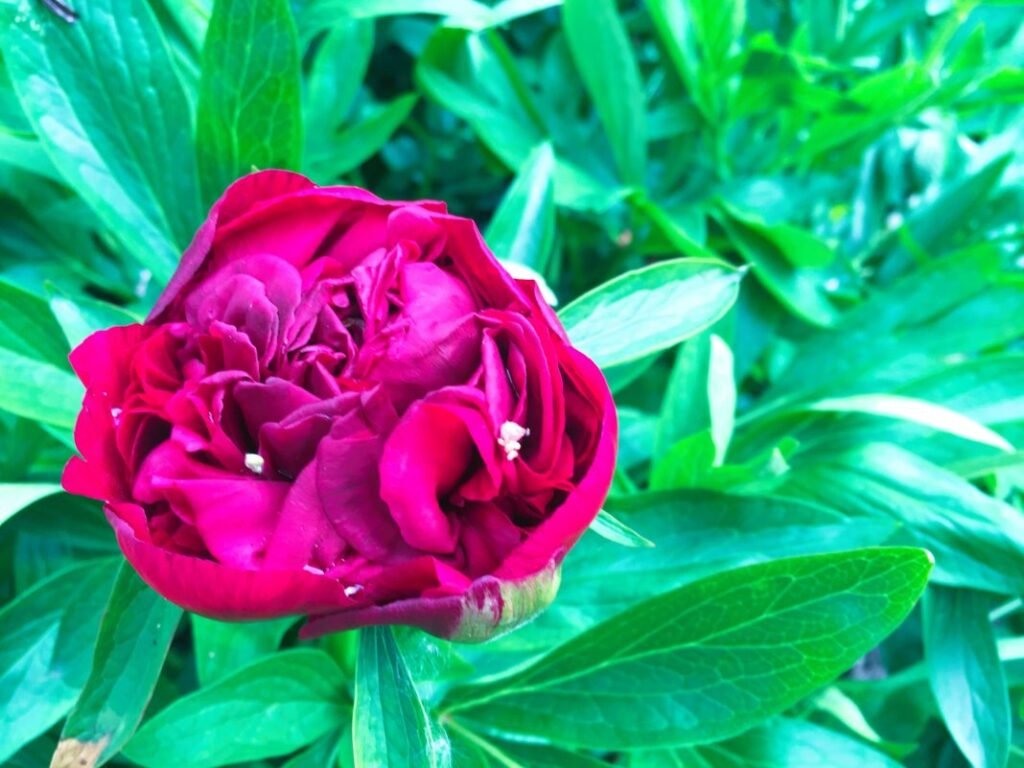
Tree Peonies (Paeonia suffruticosa)
- Description: Tree peonies have woody stems that remain year-round, making them a bit more compact. They typically bloom earlier than herbaceous peonies and have larger flowers.
- Bloom Time: Early spring (April to May).
- Hardiness: USDA Zones 4-8.
- Varieties: Known varieties include ‘Shima Nishiki’ and ‘Kinkaku’.
Intersectional (Itoh) Peonies
- Description: A hybrid between herbaceous and tree peonies, intersectional peonies combine the hardiness and foliage of herbaceous peonies with the size and structure of tree peonies. These hybrids bloom later than tree peonies but longer than herbaceous varieties.
- Bloom Time: Late spring to early summer (May to June).
- Hardiness: USDA Zones 3-8.
- Varieties: Popular intersectional peonies include ‘Yellow River’ and ‘Bartzella’.
2. Soil Type and pH
Peonies require well-drained, fertile soil to thrive, as they don’t tolerate soggy conditions. Here’s what to keep in mind:
- Soil Type: Peonies prefer loamy soil that retains moisture but drains well. Avoid heavy clay or sandy soils unless they’re amended with organic matter to improve their texture.
- Soil pH: Peonies do best in slightly acidic to neutral soil, with a pH between 6.5 and 7.0. Conduct a soil test and amend the pH if necessary using lime (to raise pH) or sulfur (to lower pH).
3. Planting Position
Peonies need plenty of sunlight to produce their signature blooms, and the right position is crucial for their success.
- Sunlight: Plant your peonies in a location that receives at least 6 hours of direct sunlight daily. Full sun is ideal for vibrant, abundant blooms.
- Space: Space peonies about 3–4 feet apart to ensure good air circulation and prevent overcrowding. This helps to avoid disease and allows the plants room to grow to their full size.
4. Flowering Months
Peonies bloom from late spring to early summer, with the exact timing depending on the type and your local climate:
- Herbaceous Peonies: These bloom from late spring to early summer, typically May to June.
- Tree Peonies: These bloom earlier, from April to May, often before herbaceous varieties.
- Intersectional Peonies: These bloom slightly later than tree peonies, from May to June, with blooms that often last longer.
5. Hardiness
Peonies are hardy plants, but selecting the right variety for your climate is key to success.
- Hardiness Zones: Most peonies thrive in USDA Zones 3-8, with some tree peonies being hardy as far as Zone 4 and others, like intersectional hybrids, being suitable for Zones 3-8.
- Winter Protection: In colder climates, peonies can withstand freezing temperatures, especially when mulched well to protect the roots. In milder climates, winter protection may still be needed, especially for young or newly planted peonies.
6. Planting Peonies
Plant your peonies in fall (6–8 weeks before the first frost) to allow the roots time to establish before winter sets in.
- Planting Depth: Plant peony roots with the crown (bud) no more than 2-3 inches below the soil surface. If planted too deep, peonies may fail to bloom.
- Spacing: Ensure that peonies are spaced about 3–4 feet apart to allow adequate air circulation and room for growth.
- Soil Preparation: Dig a hole approximately 18 inches wide and deep, and amend the soil with organic matter like compost to improve fertility and drainage.
7. Watering and Fertilizing Peonies
Peonies require consistent moisture during their growing season, but they do not like wet, soggy soil.
- Watering: Water deeply, ensuring the soil stays moist but not waterlogged. Water at the base of the plant to avoid wetting the foliage, which can promote disease.
- Fertilizing:
- In Spring: Apply a balanced, slow-release fertilizer (10-10-10) in early spring when new growth appears.
- After Blooming: After flowering, use a low-phosphorus fertilizer to promote root development for the next season.
8. Pruning and Deadheading
Peonies need minimal pruning, but regular maintenance will ensure their health and appearance.
- Pruning: In the fall, cut back herbaceous peonies to the ground after the first frost. For tree peonies, remove any dead or damaged stems, but leave the main structure intact.
- Deadheading: Remove spent flowers to prevent seed formation. This encourages the plant to focus its energy on root development rather than seed production.
9. Supporting Peonies
Peonies can have large, heavy flowers that may cause the stems to flop over, especially after rainfall or wind. Support them by using peony rings, stakes, or cages early in the growing season.
- Best Time to Stake: Install supports early, before the plant gets too large, to avoid damaging the roots or stems.
10. Common Problems and Solutions
While generally trouble-free, peonies can experience some issues. Here’s how to deal with common problems:
- Poor Blooming: Ensure peonies are planted at the correct depth and receive enough sunlight. Too much fertilizer or excessive shade can result in poor blooming.
- Botrytis Blight: This fungal disease can cause brown, mushy buds. Improve air circulation, remove infected parts, and avoid overhead watering.
- Ants: Ants are attracted to peony buds for their nectar, but they do no harm. If they become a nuisance, gently shake them off or use insecticidal soap.
- Peony Mildew: Powdery mildew can affect leaves, particularly in humid conditions. Remove infected foliage, improve air circulation, and apply fungicides as necessary.
11. Winter Care
Peonies are hardy, but in colder climates, it’s important to protect them from freezing.
- Mulch: Apply a layer of mulch around the base of peonies to insulate the roots during the winter months.
- Fall Cleanup: Remove any fallen leaves or debris from around the plant to prevent disease buildup.
The UK climate is well-suited for growing peonies, especially herbaceous and intersectional varieties. Tree peonies can also do well in milder areas but may need extra care during the colder months. Here are some of the best peony types for growing in the UK:
1. Herbaceous Peonies (Paeonia lactiflora)
These are the most commonly grown type and are well-suited to the UK’s temperate climate. They are hardy and reliable, with large, showy blooms.
Recommended Varieties:
- ‘Sarah Bernhardt’: One of the most popular varieties, known for its large, soft pink blooms and sweet fragrance. It flowers in late spring to early summer and is perfect for colder climates.
- ‘Festiva Maxima’: Produces creamy white flowers with a hint of red in the center. It’s hardy and blooms in late spring, making it ideal for the UK’s climate.
- ‘Bowl of Beauty’: This peony has large, semi-double flowers with a combination of white and pink petals. It’s a late spring bloomer and works well in the UK’s cooler conditions.
- ‘Karl Rosenfield’: Known for its striking, bright red flowers, this variety is a great choice for vibrant color in your garden. It blooms in late spring to early summer.
2. Intersectional Peonies (Itoh Peonies)
These hybrids between herbaceous and tree peonies are excellent for the UK because they combine the hardiness and foliage of herbaceous types with the larger flowers and longer bloom period of tree peonies.
Recommended Varieties:
- ‘Bartzella’: This intersectional variety has large, yellow blooms with a slight fragrance. It’s an excellent choice for the UK, with a bloom time extending from late spring into early summer.
- ‘Yellow River’: Known for its large, yellow flowers, this peony is perfect for adding a sunny pop of color to your garden. It blooms in late spring to early summer.
- ‘Cora Louise’: This variety has pale pink blooms with hints of yellow. It’s compact and hardy, ideal for the UK’s growing conditions.
3. Tree Peonies (Paeonia suffruticosa)
Although more sensitive to cold temperatures than herbaceous types, tree peonies can still thrive in milder areas of the UK, particularly in zones 7-8. They are a great choice for adding height and structure to a garden.
Recommended Varieties:
- ‘Shima Nishiki’: This tree peony has beautiful variegated flowers with pink, white, and purple markings. It’s hardy to UK conditions and adds a touch of elegance to any garden.
- ‘Kinkaku’: Known for its soft yellow blooms that fade to white, this tree peony is both fragrant and visually stunning. It thrives in milder climates but may require some winter protection in colder regions.
- ‘Iwa-no-himi’: With pale pink, almost white blooms, this variety is a good choice for those looking for a classic tree peony with delicate flowers.
4. Other Notable Varieties for the UK
- ‘Coral Sunset’ (Intersectional): This variety has striking coral-pink flowers with a slightly orange hue, which can make a bold statement in the garden.
- ‘Shirley Temple’ (Herbaceous): A classic, pale pink variety with large, fragrant flowers. It’s a late bloomer and very reliable in the UK climate.
- ‘Peach Blossom’ (Herbaceous): Known for its soft peach-pink flowers, this variety is hardy and does well in UK gardens.
General Care for Peonies in the UK:
- Soil: Well-drained, fertile soil with a slightly acidic to neutral pH (6.5 to 7.0).
- Sunlight: Full sun is ideal, but they can tolerate some light shade, particularly in areas with hot summers.
- Watering: Regular watering, especially during dry spells, but avoid waterlogging.
- Winter Protection: Tree peonies may require some protection in colder winters, such as a light mulch around the roots or a cover during frost.
By choosing the right variety for your specific region and garden conditions, peonies can thrive beautifully in the UK, offering long-lasting blooms for years to come.
1. Poor Bloom Production
Peonies are known for their stunning blooms, but sometimes they just don’t flower as expected. This can be frustrating for gardeners who have invested time and care in their plants.
Causes:
- Improper Planting Depth: Peonies should be planted at the right depth, with the crown (where the roots meet the stems) just 2-3 inches below the soil surface. Planting too deep can prevent blooming.
- Too Much Shade: While peonies can tolerate partial shade, they generally perform best with full sun (at least 6 hours a day). Lack of sunlight leads to weak plants with fewer or no blooms.
- Excess Fertilizer: Peonies are not heavy feeders, and too much nitrogen-rich fertilizer can promote lush foliage growth at the expense of flowers.
Solutions:
- Ensure your peonies are planted at the correct depth and in a spot with adequate sunlight.
- Use a balanced fertilizer sparingly, focusing on phosphorus to promote blooming rather than nitrogen.
2. Peony Wilt
Peony wilt is a common issue, particularly towards the end of the blooming season. This condition leads to the wilting of the plant’s foliage, often leaving behind a sad, bedraggled appearance.
Causes:
- Botrytis Blight: This fungal disease causes peony buds and flowers to turn brown and mushy, while the foliage wilts.
- Wet Conditions: Peonies that are grown in overly moist, poorly drained soil are more susceptible to fungal infections, especially in cooler, damp conditions.
Solutions:
- To prevent fungal issues, ensure that your peonies are planted in well-draining soil.
- Water at the base of the plant and avoid wetting the foliage.
- Remove and dispose of any infected leaves or flowers promptly to prevent the spread of disease.
3. Ants on Peonies
While ants are often seen crawling over peony buds, many gardeners are concerned that the insects may be damaging the plants. The truth is, ants are generally not harmful to peonies.
Causes:
- Symbiotic Relationship: Ants are attracted to the nectar produced by peony buds, and in turn, they may help protect the plant from other pests. However, if you have a large infestation, they can be a nuisance.
Solutions:
- Simply brushing off the ants or using a mild insecticidal soap can help control their numbers if they become too overwhelming.
- However, it’s important to remember that ants are typically not the problem for peony health, so the best approach is usually just to leave them be.
4. Peony Root Rot
Peony root rot is another issue caused by excess moisture, poor drainage, or fungal infections. If the plant’s roots are rotting, you may notice a lack of growth, wilting, and discolored stems.
Causes:
- Excessive Moisture: Peonies do not like wet feet. If their roots sit in waterlogged soil for extended periods, they can start to rot.
- Fungal Infections: Fungi such as Fusarium or Phytophthora can cause root rot, especially in poorly-draining soil.
Solutions:
- Plant peonies in raised beds or on well-drained soil to avoid water retention around the roots.
- Ensure that your peonies are in a location with good air circulation to minimize fungal problems.
- If root rot is already present, you may need to dig up the affected plants, trim the rotting roots, and replant them in fresh, well-draining soil.
5. Peony Leaf Spot
Peony leaf spot is a fungal disease that affects the plant’s foliage, causing unsightly brown or black spots on the leaves. Over time, this can weaken the plant, affecting both its appearance and overall health.
Causes:
- Wet and Humid Conditions: Leaf spot thrives in damp, warm environments, especially if the plant’s leaves stay wet for extended periods.
- Infected Soil: Spores from previous infections can linger in the soil and reinfect the plant.
Solutions:
- Remove and discard any infected leaves as soon as you notice the disease.
- Avoid overhead watering and water the base of the plant instead.
- Apply a fungicide in early spring, before the leaves emerge, to prevent the disease from taking hold.
6. Peony Herbivores: Deer and Rabbits
While peonies are generally considered deer-resistant, hungry herbivores can sometimes be a problem, especially during the early spring when other food sources are scarce.
Causes:
- Deer and rabbits are attracted to peony shoots, which are tender and new in the spring.
Solutions:
- Consider using physical barriers such as fencing or row covers to protect young plants.
- Planting deer-resistant companion plants around your peonies may also deter herbivores.
Conclusion
Growing peonies can be incredibly rewarding, but like any plant, they come with their own set of challenges. By understanding the potential problems, such as poor blooming, diseases, and pests, and taking preventive measures, you can help ensure your peonies thrive year after year. With a little care, you’ll be able to enjoy their stunning blooms for decades to come.